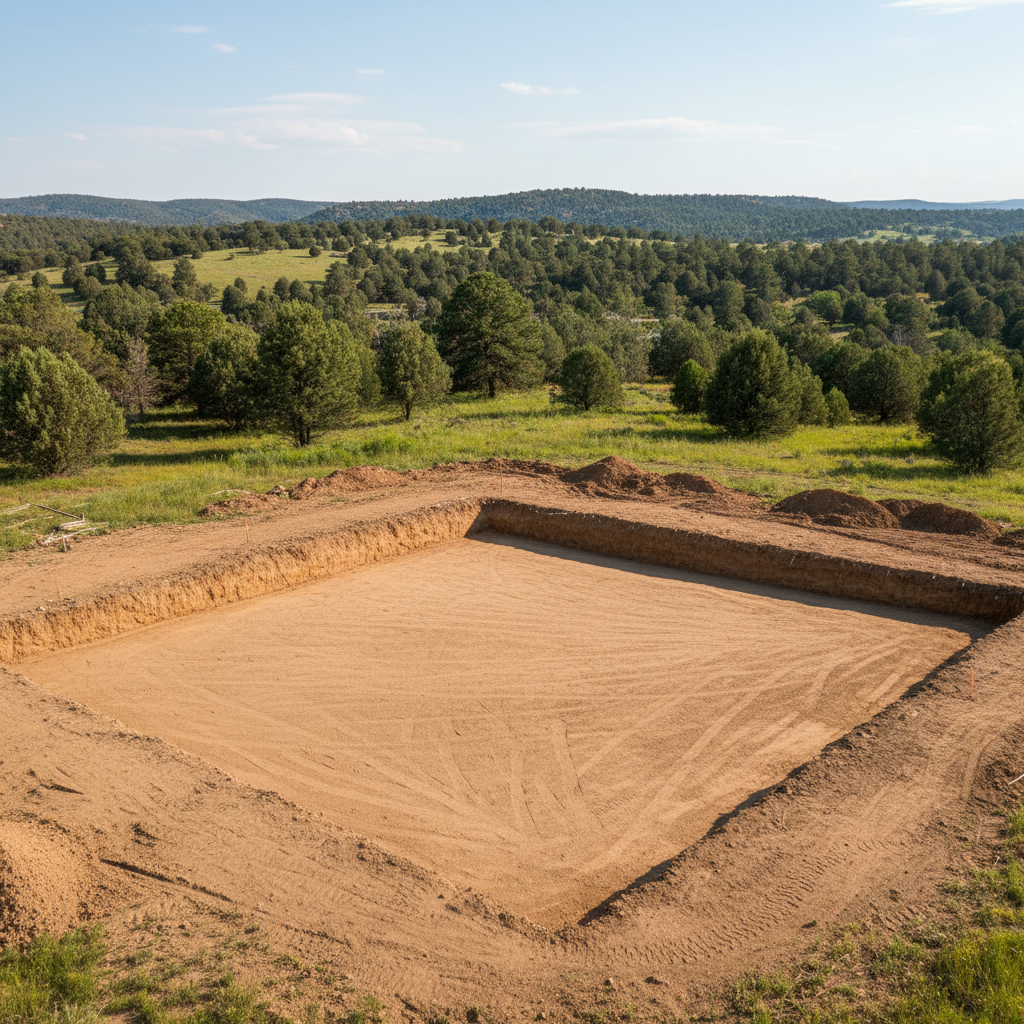
So, you’ve had your foundation dug, maybe even poured, and things are looking pretty good. You might think the excavation part of the job is all wrapped up, but let me tell you, keeping an eye on the area around your foundation is just as important as that initial dig. Especially here in Prescott Valley, where our climate can really put homes through their paces, a little ongoing care goes a long way. It protects your investment, you know?
Making Your Foundation Excavation Last
When we talk about making a foundation excavation 'last,' what we really mean is protecting the foundation itself. We're talking about preventing problems caused by bad drainage, soil shifting, and erosion. We did our part, giving your home a clean, stable base. But Mother Nature never stops working, so you need to work with her, not against her.
The biggest thing you can do? Manage water. Our monsoon season can dump a ton of rain in a short time. If that water isn't sent away from your foundation, you're going to have issues. We see hydrostatic pressure building up against walls, soil washing away from footings, or even worse, water sneaking into your basement or crawl space. So, make sure your gutters are clean. And they need to extend far enough away from the house. I'm always surprised how many folks forget this simple step! Those downspouts should be directing water at least six feet out from the foundation, ideally onto a graded area that slopes away from the house.
Proper landscaping is another key. A beautiful garden is lovely, sure, but planting big trees or shrubs too close to your foundation can cause trouble. Their roots can grow right into the foundation or drainage systems. Plus, they suck moisture out of the soil unevenly, which can lead to the soil shrinking and settling. Keep larger plants a good distance away. And make sure any flower beds near the house are properly sloped and drained.
Regular Maintenance: What to Look For
You don't need to be an expert to keep an eye on things. Just a quick walk around your house a few times a year, especially after heavy rains or during dry spells, usually does the trick. Here’s what I tell folks to check:
- Check your grading: Does the ground around your foundation still slope away from the house? Over time, especially with our dry, dusty conditions followed by heavy rains, soil can settle or just wash away. If you see spots where water might pool, or where the ground is flat or slopes towards the house, you'll want to fix that.
- Look at your gutters and downspouts: Are they clear of debris? Are they attached securely? Are the extensions still sending water well away from the foundation? Cleaning them out or reattaching a loose downspout is usually an easy fix.
- Inspect for erosion: See any visible channels or washouts in the soil near your foundation? That's a clear sign water isn't draining right and is actively eroding the soil support.
- Check for cracks in the foundation: While not directly related to the excavation itself, new or growing cracks can signal underlying soil problems. Poor drainage around the foundation only makes these worse. Small hairline cracks are often normal, but anything wider than a credit card or that runs horizontally needs attention.
- Monitor for standing water: After it rains, does water just sit near your foundation for hours? That's a huge red flag. It means your grading isn't doing its job.
Warning Signs of Bigger Problems
Sometimes, what starts as a small maintenance issue can turn into something much more serious. Don't ignore these warning signs:
- Significant pooling of water: We're not talking about a small puddle that dries up in an hour. If you've got standing water near your foundation for long periods after rain, that's trouble brewing.
- Large or spreading cracks in your foundation walls: Especially if they're horizontal or stair-step cracks, these can point to serious settlement or hydrostatic pressure.
- Doors and windows sticking: If doors and windows that used to open and close smoothly suddenly start sticking, it could be a sign of foundation movement.
- Uneven or sloping floors: Inside your home, if you notice floors becoming noticeably unlevel, that's a strong indicator of foundation issues.
- Gaps between walls and ceilings or floors: These can appear as the house shifts because of foundation movement.
- Efflorescence on basement or crawl space walls: That white, powdery stuff? It's salt residue left behind by water seeping through your foundation. You've got a moisture problem there.
When to Call a Professional
Look, I'm a big believer in DIY when it makes sense, but some things are just better left to the pros. If you see any of those major warning signs, or if you're just not sure about something you've noticed, don't hesitate to call in a professional. That could be a foundation repair specialist, a structural engineer, or even us at Alpha Excavating Co if you suspect grading or drainage issues are the root cause.
Specifically here in Prescott Valley, our expansive clay soils — like what you find in areas around Pronghorn Ranch — can be particularly tricky. They swell when wet and shrink when dry. This constant movement can really stress a foundation if the surrounding drainage isn't perfect. If you're seeing signs of movement, you want someone who understands these local soil conditions.
It's always cheaper to deal with a problem early than to wait until it becomes a huge structural repair. A professional can check things out, figure out the cause, and recommend the right course of action. Maybe it's regrading, or installing a French drain, or something more involved. Don't let a small issue turn into a nightmare. Your home is probably your biggest investment, right? A little preventative care and timely professional help can keep it standing strong for decades.