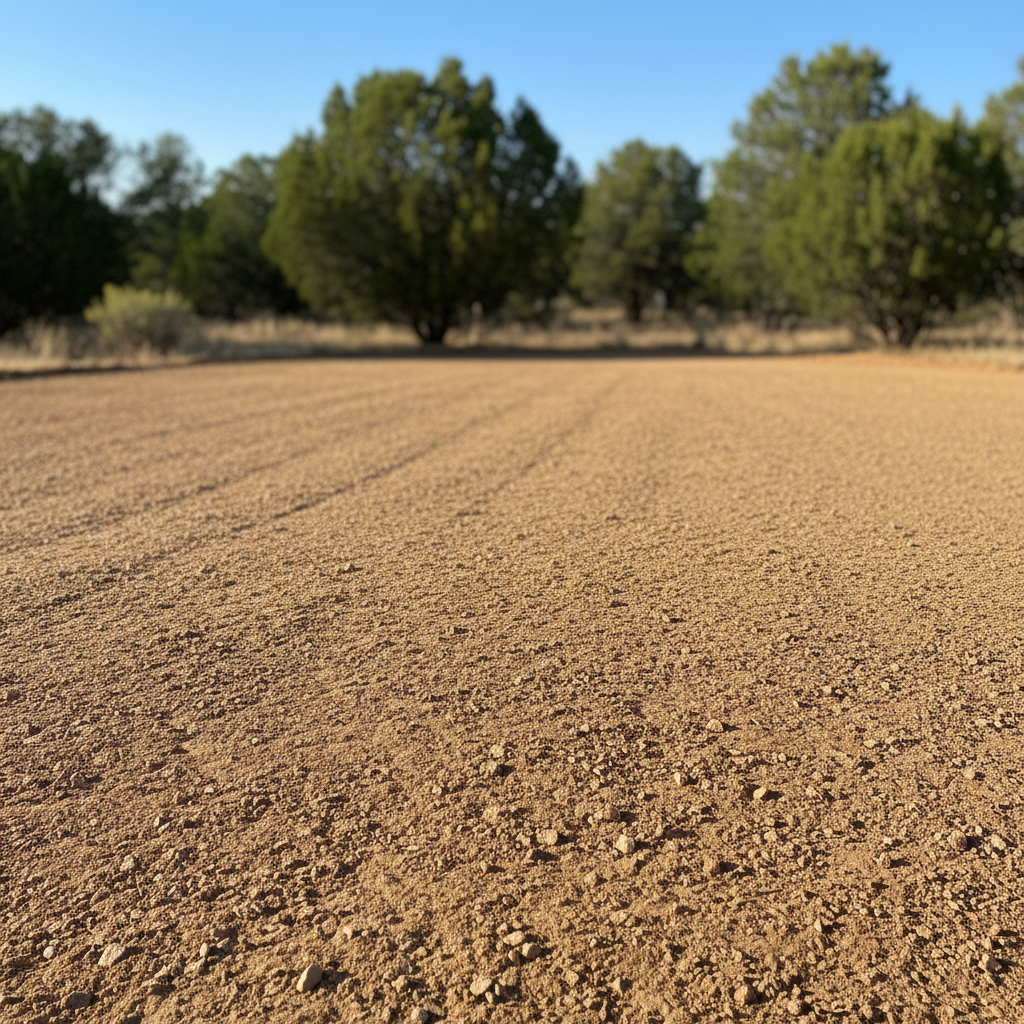
What's the difference between grading and leveling? Aren't they the same thing?
Nope, they're not quite the same, though folks often use the terms interchangeably. Think of it this way: leveling is about making a surface flat. You want a perfectly flat pad for a shed, a patio, or maybe a new hot tub? That's leveling. We're talking about getting it within a quarter-inch or less across the whole area. It's precise, you know?
Grading, on the other hand, is about creating a specific slope or contour. We usually do it to manage water flow away from your house, prevent erosion, or get a site ready for landscaping. You want a gentle slope for your lawn so rain doesn't pool against your foundation? That's grading. It's less about perfect flatness and more about directing things where they need to go. Both are super important for a healthy property, especially with our monsoon rains here in Prescott Valley.
How do I know if my yard needs grading or leveling?
Good question. The biggest giveaway for a grading problem is water. Are you seeing puddles near your foundation after a good rain? Is water running towards your house instead of away from it? Maybe you've got soggy spots in your yard that just won't dry out. Or perhaps you've got noticeable erosion channels forming? Those are all red flags screaming for proper grading.
For leveling, it's usually about usability. If you're trying to put in a new patio, a playground, or even just want a nice, even lawn for the kids to play on without tripping over every hump and dip, then you're looking at leveling. Sometimes it's obvious, like a big dip where a tree stump used to be. Other times, it's more subtle, but you'll notice it when you try to put something flat on it.
Can I just do this myself with a shovel and a rake?
For small, really minor spots, sure, you can probably tackle it yourself. If you're just filling in a small depression or smoothing out a tiny bump for a garden bed, a shovel and some elbow grease might do the trick. But for anything beyond that – especially if you're dealing with drainage issues around your foundation or preparing a significant area for construction – you really need professional help. It's not just about moving dirt; it's about understanding soil compaction, proper slope percentages, and having the right equipment to do it efficiently and correctly. You don't want to spend days digging only to find out you've made the water problem worse or created an uneven mess that still needs fixing.
What kind of equipment do you use for grading and leveling?
It really depends on the size and scope of the job. For smaller areas, we might use a skid steer with a laser level attachment. Those things are incredibly versatile for moving dirt and getting a precise grade. For bigger jobs, like preparing a whole lot for a new build or re-grading a large backyard, we'll bring in heavier machinery like a compact track loader or even an excavator for significant earth moving. We've got a range of attachments too – box blades, rakes, buckets – all designed to get the job done right. The key is using the right tool for the job; it saves time and ensures accuracy. At Alpha Excavating Co, we pride ourselves on having the right gear for whatever your property throws at us.
How long does a typical grading or leveling project take?
That's like asking