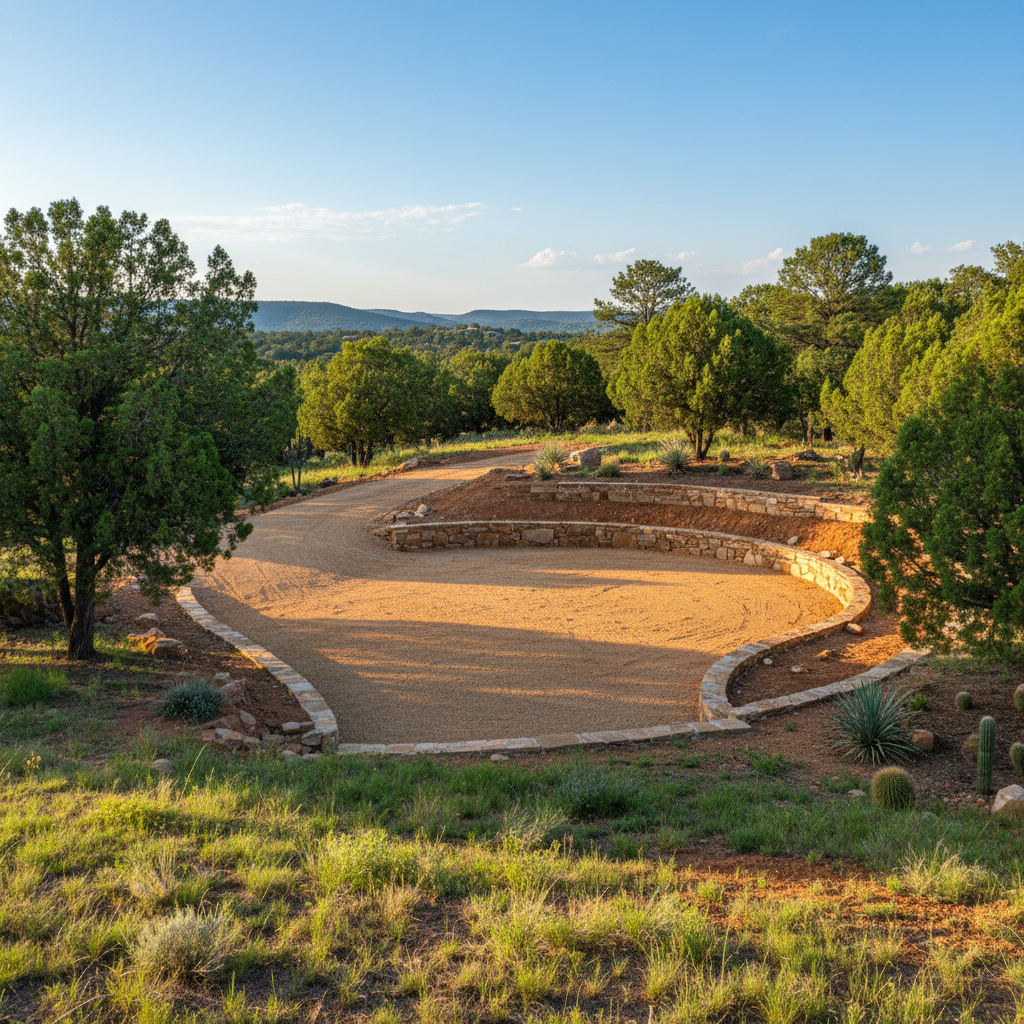
When’s the best time to dig here in Prescott Valley? That’s a question I get a lot, and it’s a really good one. Our local climate, you see, isn’t like a lot of other places. We’ve got distinct seasons, and each one brings its own set of challenges and opportunities for excavation work. Getting the timing right can make a huge difference in how smoothly your project goes, how much it costs, and how well it holds up in the long run.
The Best Times to Break Ground (and Why)
If you’re planning any major earthwork — maybe a new foundation, a pool, or even extensive trenching for utilities — you really want to aim for spring or fall. These are our sweet spots, and for good reason.
- Spring (March - May): This is prime time. The ground’s usually softened up a bit from any winter moisture, but it’s not saturated. Temperatures are mild, so my crew isn’t battling extreme heat or cold. It’s easier on the equipment, too, and you’ve got plenty of daylight. We can get in, get the job done efficiently, and get out before the summer heat really kicks in.
- Fall (September - November): Another excellent window. The monsoon season is typically winding down, and the ground starts to dry out but isn’t rock-hard yet. Cooler temperatures are a blessing for everyone involved. You avoid the summer rush and often have a bit more flexibility in scheduling.
What About Summer and Winter?
Now, that doesn’t mean we can’t excavate in summer or winter, but you need to know about the trade-offs.
- Summer (June - August): It gets hot, plain and simple. We’re talking triple-digit days, especially in July and August. This means shorter workdays for the crew, more breaks, and often starting earlier to beat the worst of the heat. The ground can get incredibly dry and hard, making it tougher to dig. You might see increased wear on equipment, which can sometimes mean higher costs or longer project timelines. Dust can also be a real issue, especially in areas like the Pronghorn Ranch development where the soil tends to be on the drier, dustier side without much vegetation. If you absolutely have to excavate in summer, be prepared for these factors.
- Winter (December - February): We don’t get a ton of snow here in Prescott Valley, but we do get freezing temperatures. If the ground freezes solid, digging becomes a lot harder, slower, and more expensive. It’s like trying to chip away at concrete! We also get those cold, wet storms that can turn a site into a muddy mess. Mud means delays, extra effort for equipment, and a bigger cleanup job. However, if it’s a mild winter, or if you’re doing smaller jobs that don’t require deep excavation, it can work. Just be ready for potential weather delays.
Protecting Your Investment Year-Round
Once the digging’s done, you’re not out of the woods. You’ve just invested a lot in preparing your site, and you want that work to last. Here’s what I tell folks:
- Drainage is King: This is huge, especially with our monsoon rains. Make sure your grading directs water away from your foundation or any excavated areas. Poor drainage can lead to erosion, foundation issues, and even water intrusion into basements or crawl spaces. We always make sure the final grade sheds water properly, but it’s something to keep an eye on over time.
- Monitor for Erosion: After heavy rains, especially if you’ve got slopes, check for signs of erosion. Small ruts can turn into big problems. Sometimes a little landscaping, like planting native shrubs or adding some rock, really helps stabilize the soil.
- Address Settling: Over time, especially with new fill, you might see some settling. This is normal. If it’s minor, it’s usually not a big deal. If you notice significant dips or cracks near foundations, that’s when you should give us a call at Alpha Excavating Co. We can assess it and recommend solutions.
- Keep an Eye on Utilities: If we’ve trenched for new lines, know where they are. Mark them if you plan any future digging yourself. You don’t want to accidentally hit a water or gas line later on.
Ultimately, planning ahead is your best friend when it comes to excavation in Prescott Valley. Think about the season, understand the challenges, and make sure you’ve got a solid plan for protecting your site long after the machines leave. It’ll save you a lot of grief down the road.