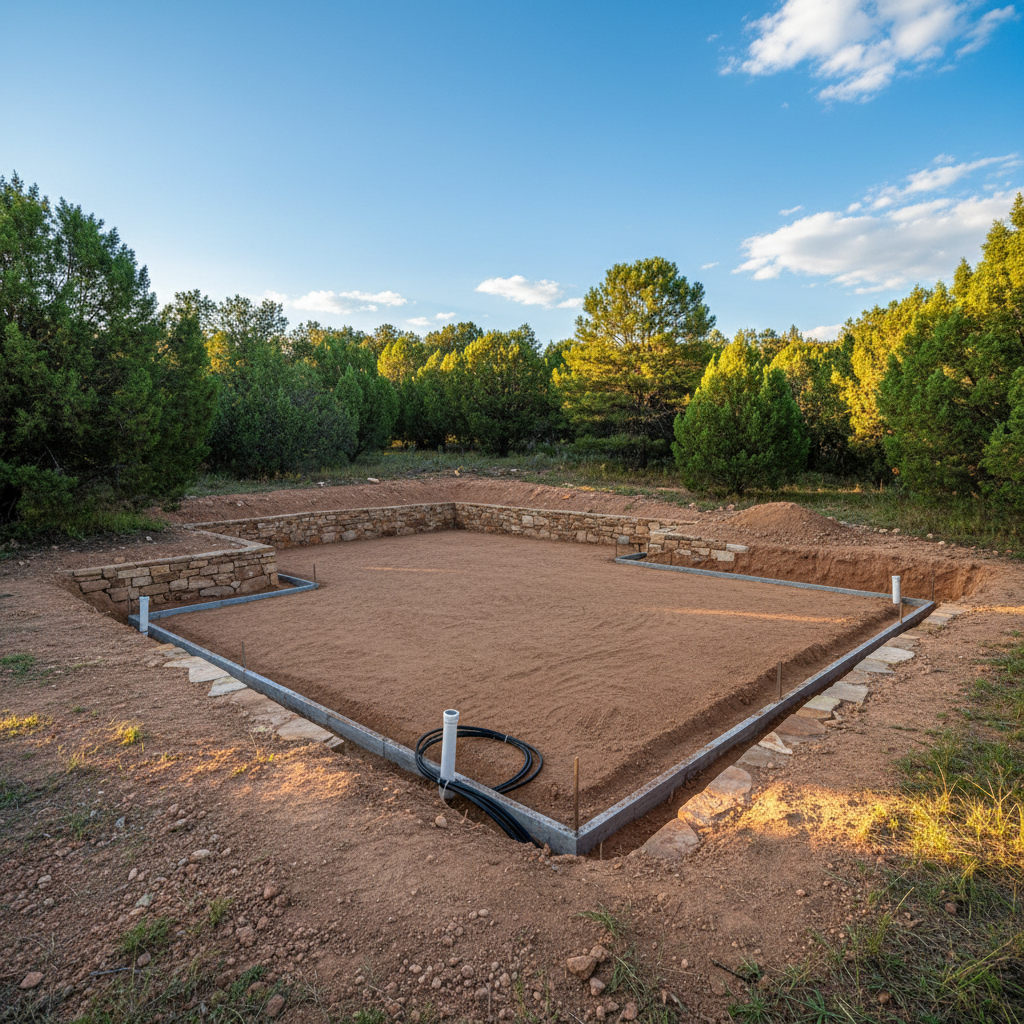
Thinking about a new build, an addition, or even just some serious landscaping that needs some digging? Great! But hold on a minute. Before you grab that shovel, let's chat about some common slip-ups I've seen homeowners in Prescott Valley make when it comes to excavation. You really don't want to learn these lessons the hard way, believe me.
Mistake #1: Skipping the Site Survey & Soil Report
This one's probably the biggest. Folks often think, "It's just dirt, right?" Nope. Not at all. Especially here in Prescott Valley, where we've got everything from solid granite bedrock in places like Stoneridge to expansive clay soils down by the Glassford Hill area. You simply can't just guess what's under your feet.
A proper site survey tells you exactly where your property lines are, any elevation changes, and where existing utilities run. That's super important for planning. Even more critical for digging work is a soil report. This report details your soil's makeup, how much weight it can bear, and if there are any nasty surprises like caliche (that hard, cement-like layer we often find around here) or high water tables. Without this information, you're basically flying blind. You might budget for digging through loose soil, then suddenly hit a massive rock formation that needs blasting or specialized equipment. That'll blow your budget and timeline right out of the water. Get these done upfront; it'll save you thousands later, trust me.
Mistake #2: Not Verifying Contractor Credentials & Insurance
I can't emphasize this enough, really. You're letting someone operate heavy machinery on your property, potentially digging near utility lines or your existing foundation. You need to know they're legitimate and properly covered. Always ask for:
- Proof of a current Arizona Registrar of Contractors (ROC) license. You can even look it up yourself on the ROC website. Make sure it's active and for the correct classification (like 'Excavating, Grading & Oil Surfacing').
- Proof of general liability insurance. This protects you if something goes wrong – say, they accidentally damage your neighbor's fence or a utility line.
- Worker's compensation insurance. If one of their crew gets hurt on your property, you definitely don't want to be on the hook for their medical bills.
Don't just take their word for it, either. Ask for certificates directly from their insurance provider. A reputable company, like Alpha Excavating Co, will have all this ready to go without you even having to ask.
Mistake #3: Underestimating Utility Locates
You've heard it a million times: "Call 811 before you dig." And yet, people still don't take it seriously enough, or they assume the contractor will handle everything perfectly. While your excavation contractor should absolutely be involved, it's ultimately your property. So, make sure 811 has been called *and* that you understand what's been marked.
Those spray-painted lines and flags aren't just suggestions; they're showing you where gas lines, water mains, sewer pipes, electrical conduits, and communication cables are buried. Hitting one of these isn't just a minor inconvenience; it can be incredibly dangerous, cause massive service disruptions, and land you with hefty fines and repair bills. Don't let anyone start digging until those marks are clear and understood by everyone on site.
Mistake #4: Focusing Only on the Lowest Bid
Look, I get it. Money matters. But when it comes to excavation, the cheapest bid is often the most expensive in the long run. Why? Because a low bid often means:
- They're cutting corners on things like proper insurance or permits.
- They're using old, unreliable equipment that breaks down, causing delays.
- They're not factoring in potential issues like rock removal or proper compaction.
- They're inexperienced and will likely make mistakes that cost you more to fix.
Get multiple bids, absolutely. But compare them thoroughly. Ask what's included, what's excluded, and what their plan is for unexpected issues. A slightly higher bid from a professional, experienced company that's transparent about their process and costs is almost always the smarter choice. You're paying for a job done right the first time, not just the lowest price.
Mistake #5: Not Having a Clear Scope of Work
This is where miscommunication usually happens. You might have one idea in your head, and the contractor has another. Before any dirt moves, you need a detailed, written agreement that clearly outlines:
- What exactly is being excavated (e.g., a 20x30 foot foundation, a 100-foot trench for utilities).
- The depth and width of the excavation.
- How the excavated material will be handled (hauled away, stockpiled on site, used for backfill).
- The timeline for the project.
- Payment schedule.
- Who is responsible for permits, utility locates, and site cleanup.
Don't leave anything to assumptions. The more specific you are, the less room there is for disputes or unexpected charges down the road. A good contractor will help you define this scope clearly, but it's your responsibility to review it and make sure it matches your vision.
Excavation is a critical first step for many projects. Get it wrong, and you're building on shaky ground, both literally and figuratively. Do your homework, ask the tough questions, and don't rush the process. It'll save you a ton of grief.