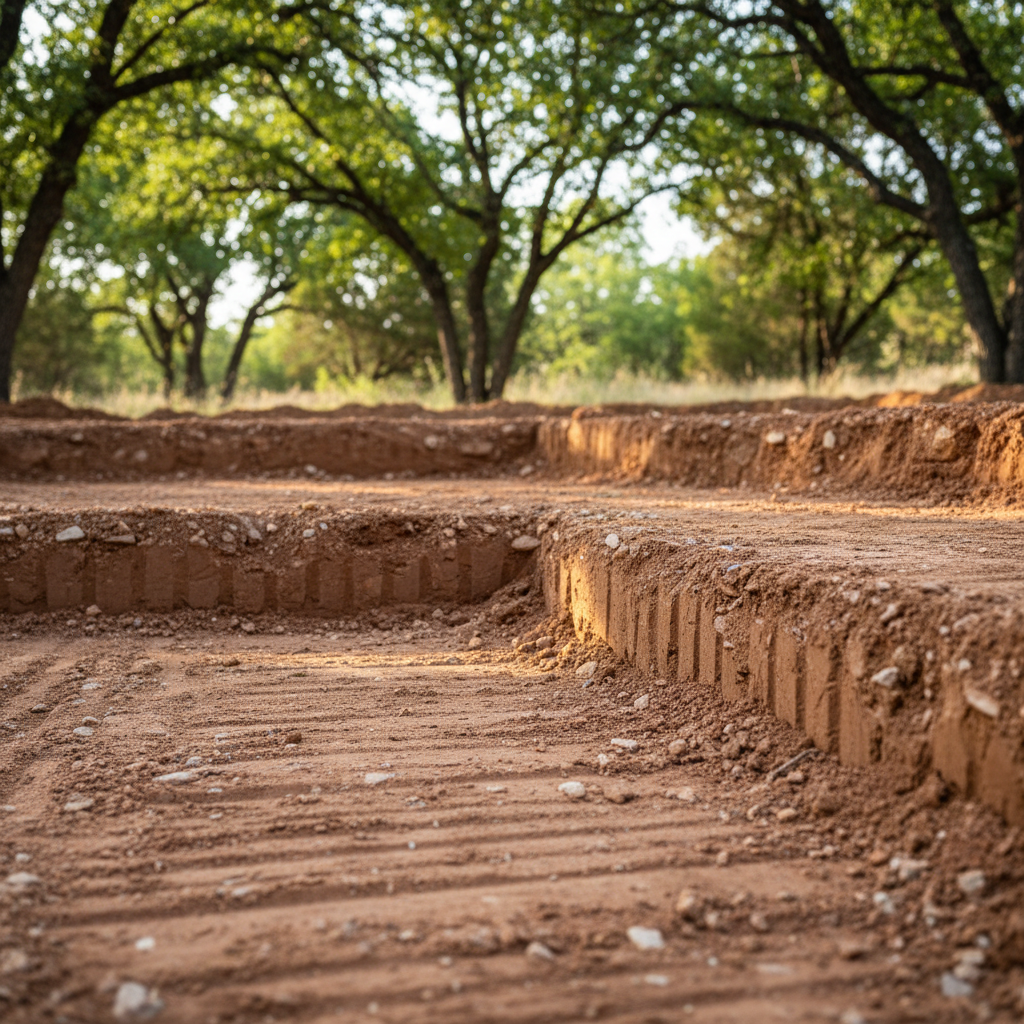
Trying to drive a shovel into high desert ground in Prescott Valley, AZ is difficult. If you hit that rock-hard layer of caliche or granite just inches down, standard landscaping tools will not cut it. Site excavation is the backbone of any new build, addition, or major yard overhaul in Prescott Valley, AZ. Knowing how to prepare, what to expect while the machines are running, and what happens after the dirt settles will prevent many problems.
Before the Dig: Planning and Prep
You cannot just rent a mini-excavator and start carving up your lot on a Saturday morning. Before a single bucket hits the dirt, you have homework to do. First, call 811 to get your underground utilities marked. Hitting a fiber optic line or gas pipe will ruin your week instantly. Next, look at your property lines and local Yavapai County permit requirements. If you are building a pad or changing major drainage patterns, you might need formal sign-offs.
What can you realistically handle yourself before the pros show up? You can clear out light brush, stake out your project boundaries, and take photos of the existing terrain. But trying to core through local caliche layers or move heavy granite boulders with rental yard equipment is a recipe for broken teeth on your bucket and a thrown out back.
During the Project: What to Expect on Site
Once the heavy machinery arrives, things move fast. A skilled crew will strip the topsoil, cut or fill to the required grade, and shape the earth so that water flows away from your future structures. In our area, managing monsoon runoff is everything. If your site is not graded right, those sudden summer downpours will pool right against your foundation.
During excavation, you should stay safely out of the swing radius of the equipment. Keep kids and pets indoors. When you hire Alpha Excavating Co for Site Excavation in Prescott Valley, AZ, our operators are watching the soil composition change in real-time, adjusting for pockets of expansive clay or dense calcium carbonate that require heavier ripping attachments. You should not try to manage earth-moving math or slope calculations on your own unless you have a laser level and years of field experience.
After the Excavation: Stabilization and Maintenance
The machine work is done, but the job is not over. Freshly excavated earth is loose and vulnerable. If a heavy storm hits before you have paved, poured concrete, or established ground cover, erosion can wash away your brand new grade overnight.
You can handle the lighter follow-up tasks like raking minor debris, laying down temporary erosion control blankets, or watering down the pad to encourage natural compaction. Leave the fine-tuning, final proof-rolling, and any major soil stabilization to Alpha Excavating Co. Getting the earth right from the bottom up ensures your investment stands strong against the elements for 15 to 20 years or more.