What exactly is foundation excavation, and why is it so critical?
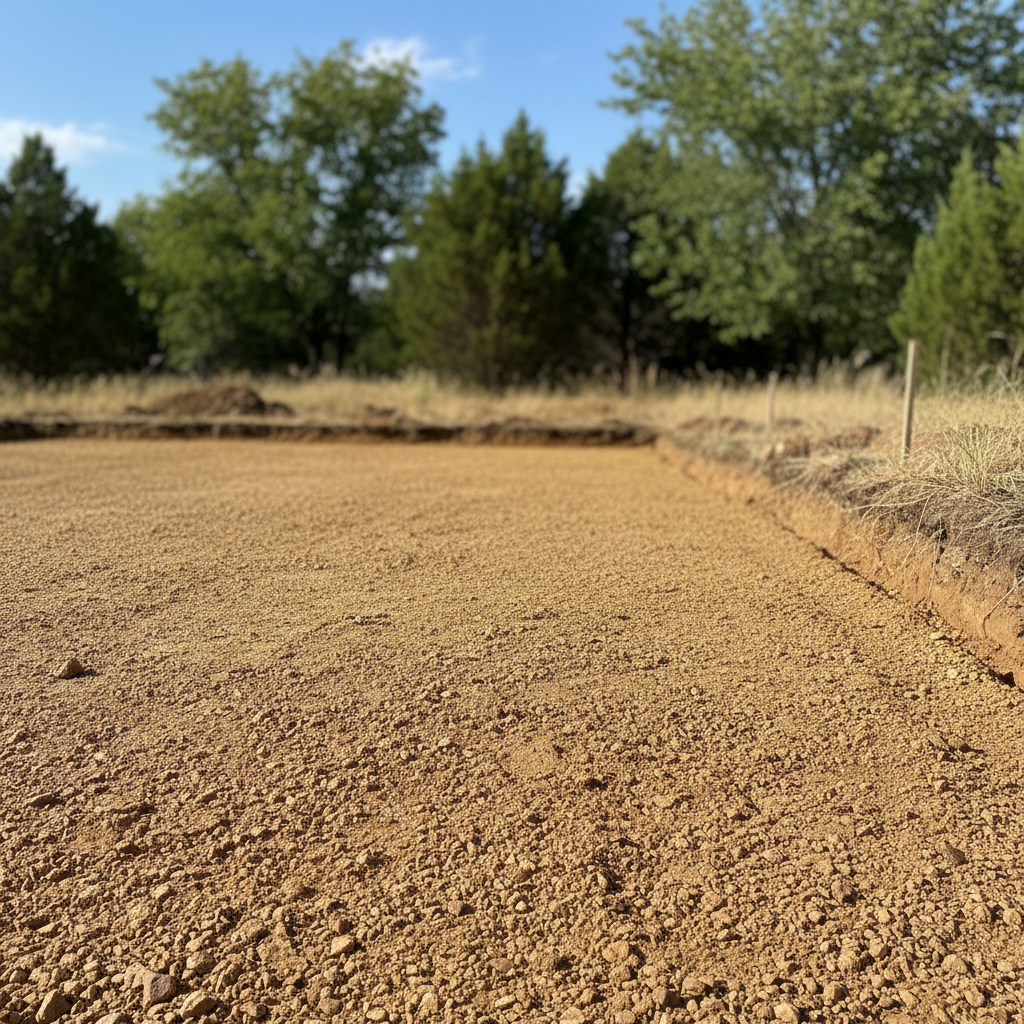
Foundation excavation, at its core, is about digging the hole where your house—or maybe a new addition—will eventually sit. Sounds pretty straightforward, doesn't it? Just dig a hole. But honestly, it's so much more involved than that. We're talking about building a stable, level, and properly drained base, one that your entire structure will rely on for decades. If you botch this part, you're setting yourself up for wall cracks, uneven floors, drainage headaches, and potentially some really serious structural issues down the road. This is literally the very first step in constructing something meant to last, so getting it right isn't just important, it's absolutely essential.
How deep do you typically dig for a foundation in Prescott Valley?
Well, that really hinges on a few different factors: the kind of foundation you're putting in, what the soil's like, and, of course, our local building codes. For a regular slab-on-grade foundation, we might only need to dig enough to get past the topsoil and hit solid ground—maybe 18-24 inches for the footings. If you're planning a basement or a crawl space, though, we're obviously going a lot deeper, often 8 to 10 feet or even more. Here in Prescott Valley, especially in neighborhoods like Granville or Pronghorn Ranch, we frequently run into caliche or rocky soil. That means we might have to go a bit deeper, or even bring in specialized equipment, just to break through it and find that nice, undisturbed earth. Every site is unique, so we always double-check the engineered plans for the exact depths.
What kind of soil issues do you run into around here, and how do you handle them?
Oh, soil. That's a big one, for sure. Prescott Valley definitely has its own quirks. We see everything from loose, sandy loam to really stubborn caliche, and sometimes even a mix of bedrock. Caliche is probably our most common headache; it's that hard, cemented layer of calcium carbonate that honestly feels a lot like concrete. It's a bear to dig through, and if you don't handle it right, it can cause drainage problems. When we hit caliche, we often need to bring in bigger gear, like a hydraulic hammer or a rock saw, to break it up. We also keep a close eye out for expansive clays, which swell when they get wet and shrink when they dry, putting a ton of stress on foundations. If we find that, we might suggest over-excavating and swapping out that troublesome soil with engineered fill, or we'll work with the engineer to design a foundation that can handle those shifts. It all comes down to knowing what's underfoot and planning accordingly, doesn't it?
Do I need a soil report before you start digging?
Absolutely, yes. I wouldn't even think about starting a foundation dig without one, and frankly, no reputable contractor should. A geotechnical engineer comes out, takes samples, and then tells us exactly what kind of soil you've got. They'll detail its bearing capacity, moisture content, and flag any potential problems like expansive clays or high water tables. This report is vital for the structural engineer to design the right foundation for your specific property. It tells us how deep to go, what kind of compaction is necessary, and if we need to take any special precautions. Think of it as the blueprint for the ground itself—you wouldn't build a house without architectural plans, so why would you dig a foundation without knowing what's in the dirt?
What about drainage? How does foundation excavation prevent water problems?
Drainage is huge, especially with our monsoon season. Proper foundation excavation acts as your first line of defense against water seeping into your basement or crawl space, or worse, undermining your foundation. We always dig the foundation so that the finished grade slopes away from the house. This means water naturally flows away, not towards, your foundation walls. We also frequently install perimeter drains—you might know them as French drains—around the outside of the foundation. These are trenches filled with gravel and a perforated pipe that collect any groundwater and direct it away from the structure, usually to a storm drain or a safe discharge point on your property. Getting the grades right during that initial excavation is key to making sure those drainage systems actually work effectively for years to come.
What happens to all the dirt you dig up?
That's a pretty common question, and the answer depends on a few things. Sometimes, if the soil is good quality and suitable for backfill, we'll just stockpile it right there on-site. Once the foundation is poured and cured, we use that same dirt to backfill around the foundation walls, bringing the grade up to where it needs to be. This can save you money on hauling and buying new fill dirt, which is always a plus. However, if the excavated soil is poor quality—say, too much caliche, too rocky, or full of organic material—we'll haul it away. We've got dump trucks for that. Occasionally, if you're doing a cut-and-fill operation on a sloped lot, we might move dirt from one part of your property to another to create level areas. We always talk through the plan for the spoils with you upfront, so you know exactly what to expect. That's just part of how we do things at Alpha Excavating Co.